Marko Girga Fabric Central Monitoring & Fabric Ops

Microsoft Fabric Consultant

Fixed-scope ops builds

Fabric monitoring your support team can act on.

I build Fabric-native monitoring around live estates: central pass/fail logging, Teams alerting through Reflex, KQL dashboards for status and runtime, failure diagnostics, lakehouse vacuum reporting, and data ingestion or pipeline optimisation. The result is a supportable operations layer that saves time, improves capacity run times, and stays inside Fabric.
Cross-workspace status Pass/fail logging Teams alerting Runtime diagnostics Pipeline efficiency
Visibility One view of run health across workspaces

Latest state, failed workspaces, runtime movement, and process-level detail in one place.

Alerting Teams notifications that support can triage

Pass and failure events land in the right channel with concise, action-oriented context.

Operations Failure diagnostics without guesswork

Process names, timings, error summaries, and workspace rollups are centralised for review.

Capacity Pipeline and capacity run times made leaner

Ingestion, runtime, and capacity behaviour can be tuned so processes finish faster and waste less.

Platform

A Fabric-native monitoring product, built from the same objects your team already uses.

This is not a generic admin dashboard. It is a central operations workspace built with Fabric objects: Data Pipelines, Notebooks, Eventhouse, KQL Database, Reflex, KQL Dashboards, and lakehouse maintenance logic.

01

Central pass and fail logging

Pipeline and notebook outcomes roll into shared KQL tables so support can review the estate as one system instead of workspace by workspace.

02

Workspace status dashboards

Latest workspace status, pass/fail distribution, failed workspace lists, and runtime trends are surfaced in real-time dashboards built directly in Fabric.

03

Reflex-driven Teams alerting

Success and failure events can be routed to Teams with business-hour windows, catch-up logic, and concise support-facing messages.

04

Runtime and failure analytics

Runtime averages, failure counts, process types, and latest error details are tracked so slow or unstable workloads become visible fast.

05

Vacuum operations and savings views

Multi-workspace lakehouse vacuum runs, dry-run estimates, reclaimed GiB, workspace savings, and lakehouse drilldowns are logged and reported centrally.

06

Ingestion and pipeline optimisation

Data ingestion and pipeline processes can be improved with Fabric parallel processing patterns, runtime tuning, and capacity-aware design where the project allows.

Native Fabric Footprint

Built with native components rather than an external monitoring tool bolted onto the side.

Data Pipelines Notebooks Eventhouse KQL Database Reflex + Teams KQL Dashboards Lakehouses Ops Runbooks

Dashboards

Sanitized reconstructions of the live dashboards, rebuilt for public use.

These previews are rebuilt for public use. Workspace names, lakehouse names, process names, dates, operational metrics, and error details are generic so the shape of the product is visible without exposing real client or workplace data.

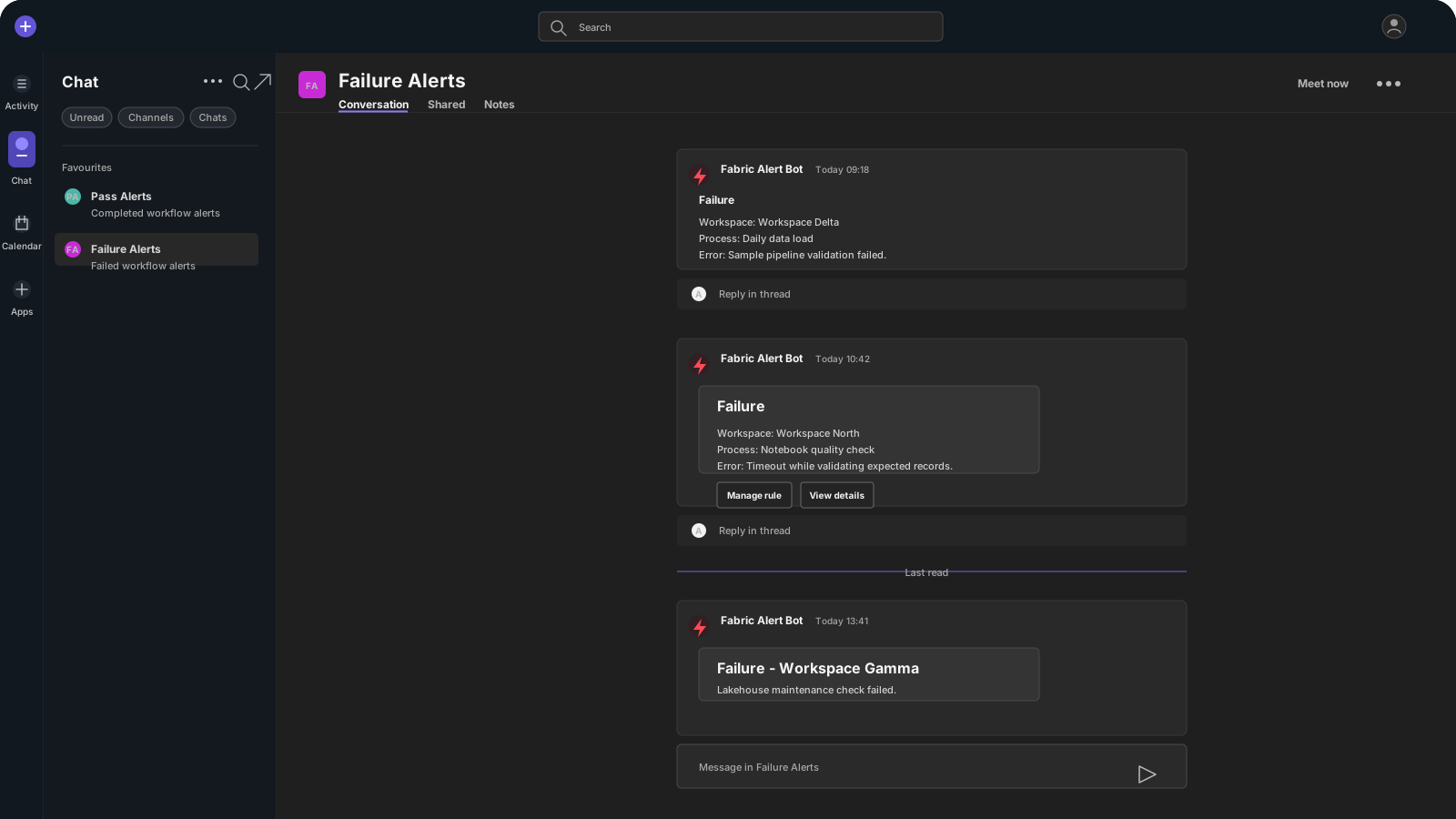
Sanitized Teams-style Failure Alerts chat with generic failure alert posts
Teams Alert Feed

Teams-style Pass Alerts and Failure Alerts chats, with failure-only triage posts in the selected conversation.

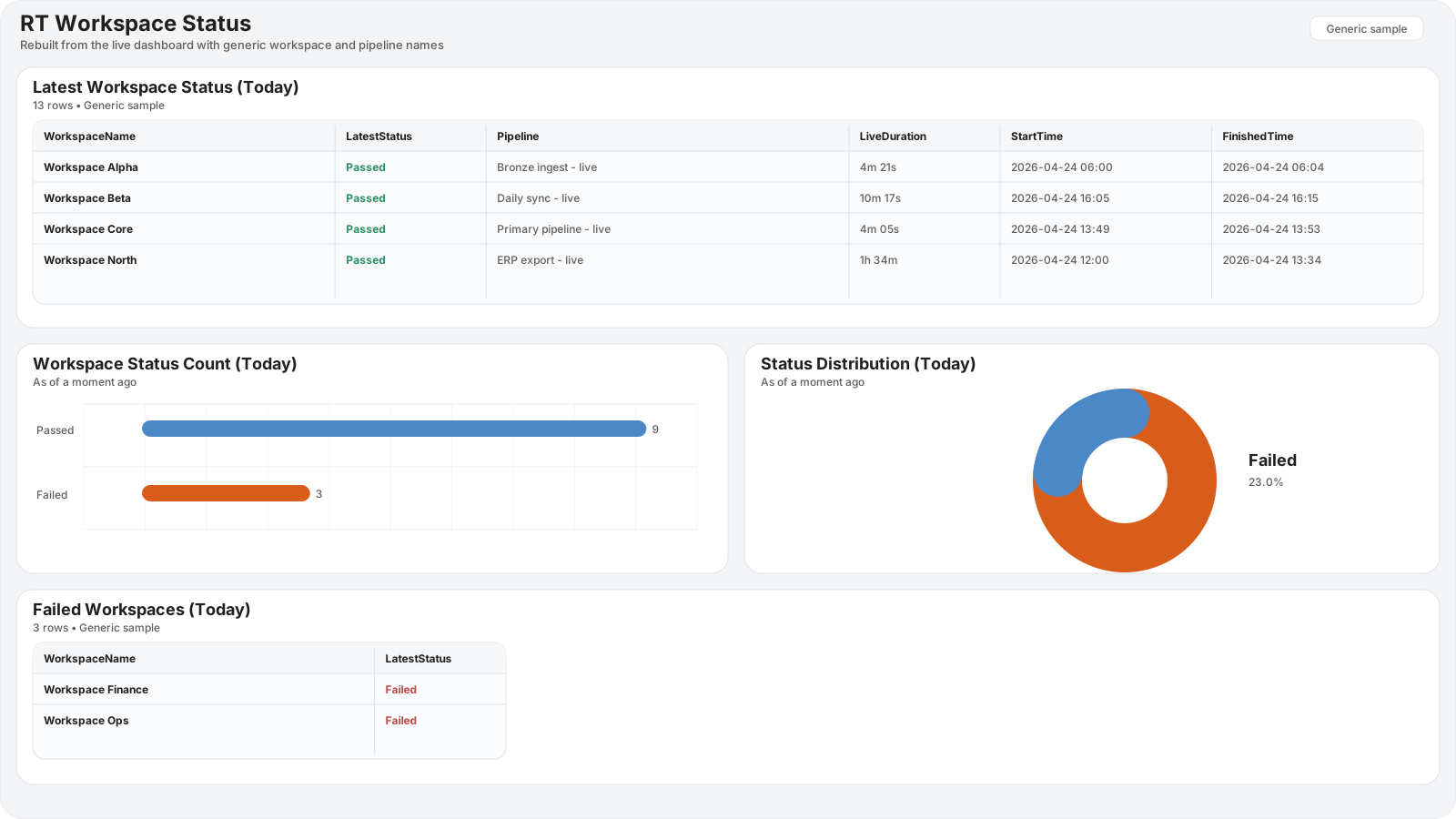
Sanitized RT Workspace Status dashboard
RT Workspace Status

Latest workspace state, pass/fail split, and failed-workspace list in one view.

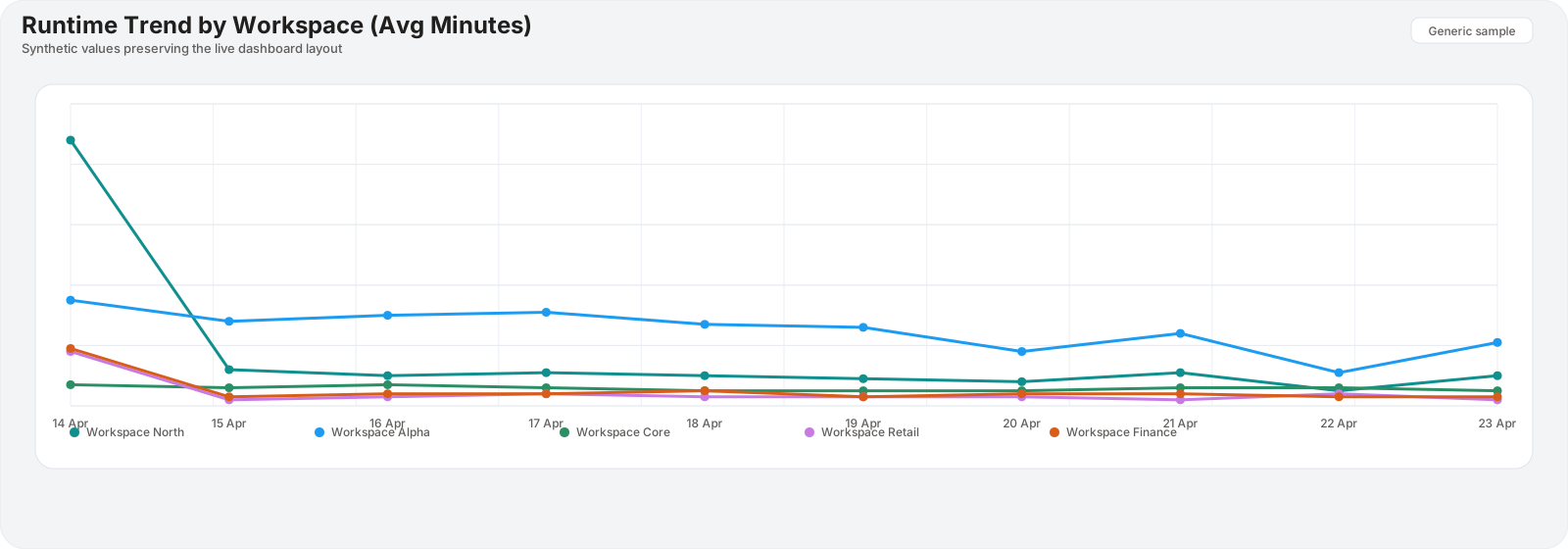
Sanitized runtime trend dashboard
Runtime Trends

Average runtime by workspace across the selected period to expose drift and hotspots.

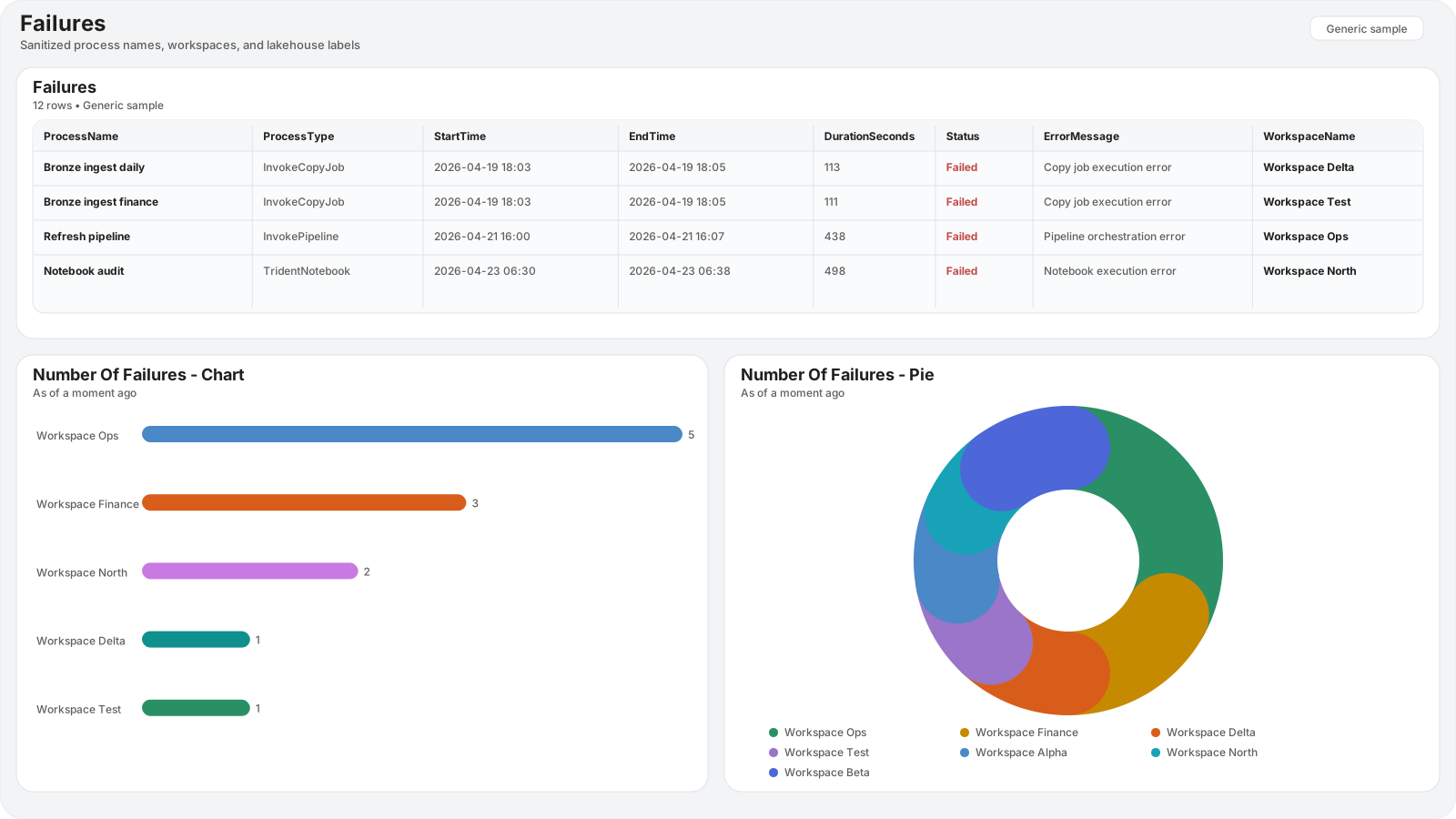
Sanitized failure monitoring dashboard
Failure Monitoring

Failure rows, process types, error summaries, and workspace-level rollups.

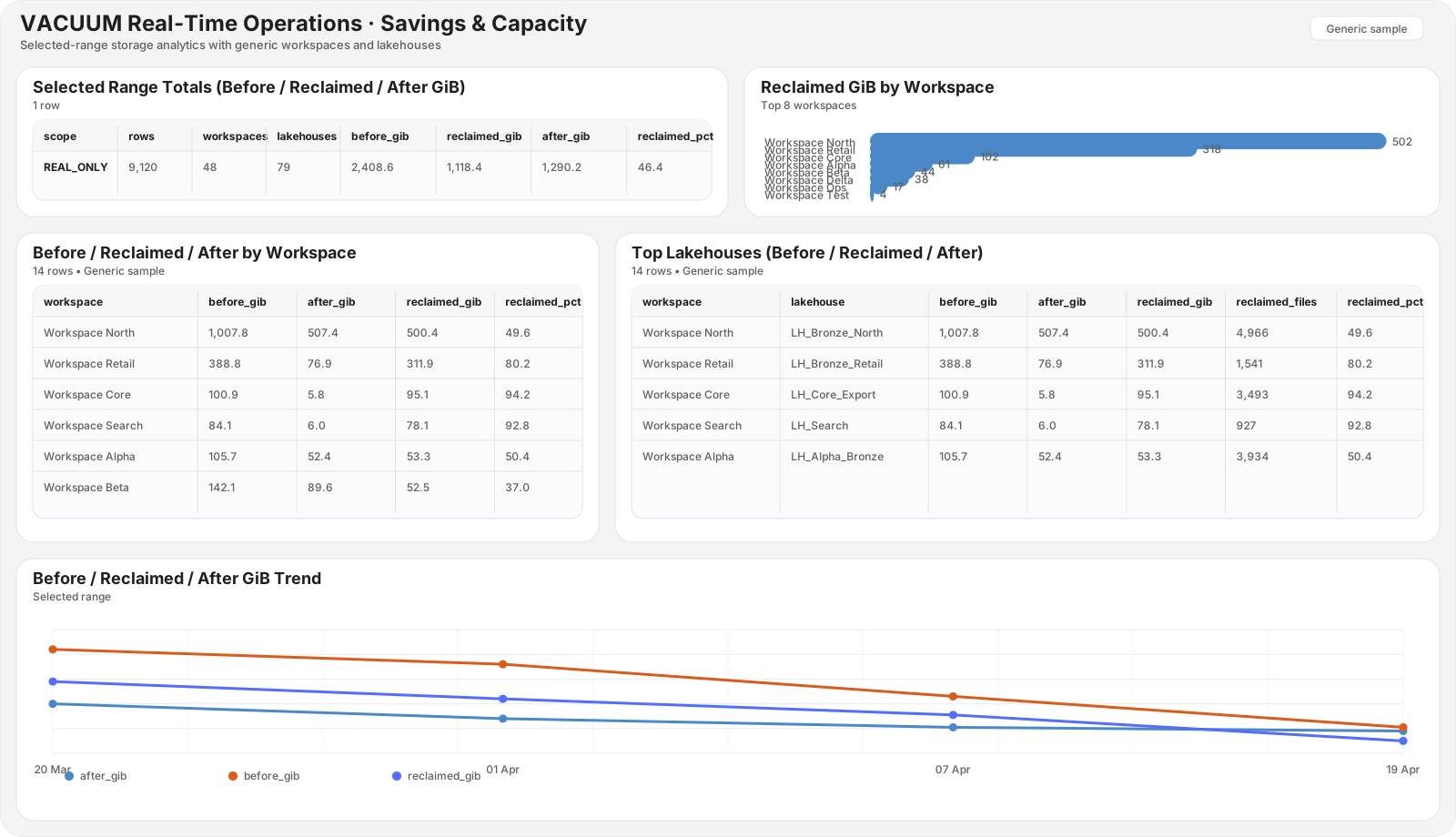
Sanitized vacuum savings and capacity dashboard
Savings & Capacity

Before, reclaimed, and after GiB with workspace and lakehouse-level savings breakdowns.

Delivery

Best delivered as a focused Fabric operations engagement with a clean handover.

The engagement is deliberately practical: understand the estate, wire the signal path, prove the dashboards, and leave the team with assets they can maintain.

Engagement fit

This work fits best when a team already has Fabric in motion and needs operational visibility, alerting, and maintainability added around the estate without forcing a separate product onto the support model.

Discover

Review the current pipelines, lakehouses, alert gaps, and where support loses time today.

Centralise

Wire pipeline and notebook outcomes into a shared logging model inside Fabric.

Alert

Set up support-friendly success and failure routes with clear timing and business rules.

Report

Ship dashboards that show status, runtime, diagnostics, and maintenance impact clearly.

Handover

Leave behind Fabric-native assets the team can own, extend, and support after delivery.

Contact

If you need Fabric monitoring that stays inside Fabric, send me the shape of the estate.

Good fits are teams that want better monitoring, alerting, vacuum reporting, or bronze-layer operational visibility without turning the solution into a separate platform.